

Toner carrier is a key consumable in laser printing and copying equipment. Its performance directly impacts print quality, equipment lifespan, and environmental safety. To ensure product quality and technical compliance, the production and application of toner carriers must strictly adhere to international and industry implementation standards.
I. Basic Performance Standards
Core performance indicators for toner carriers include particle size distribution, magnetic properties, flowability, and durability. International standards such as ISO 19752 (Test Methods for Printing Consumables) and GB/T 17739 (Technical Specifications for Carriers for Electrostatic Copying in China) clearly define the carrier particle size range (typically 30-100 microns), magnetic permeability (for developer roller compatibility), and anti-caking properties. For example, carrier particles must have uniform sphericity to ensure flowability and avoid uneven toner supply or jamming during the development process.
II. Environmental and Safety Requirements
Modern standards emphasize low toxicity and recyclability of carriers. The EU RoHS Directive and REACH regulations limit the content of heavy metals such as lead and mercury in carrier materials and require the reduction of volatile organic compound (VOC) emissions during the production process. Some countries, such as Japan, have also established the JIS K 2220 standard, which categorizes the triboelectric properties of carriers to ensure compatibility with toners and reduce ozone generation.
III. Compatibility and Testing Methods
Implementation standards must cover compatibility testing between carriers and different toner brands. For example, IEEE 260.1 specifies stability requirements for carriers in high-temperature and high-humidity environments (e.g., 40°C/90% RH), while ASTM D5289 evaluates carrier lifespan through accelerated aging tests. Manufacturers must verify product compliance through third-party certification (such as UL or CNAS) and indicate the implementation standard number on the packaging for traceability.
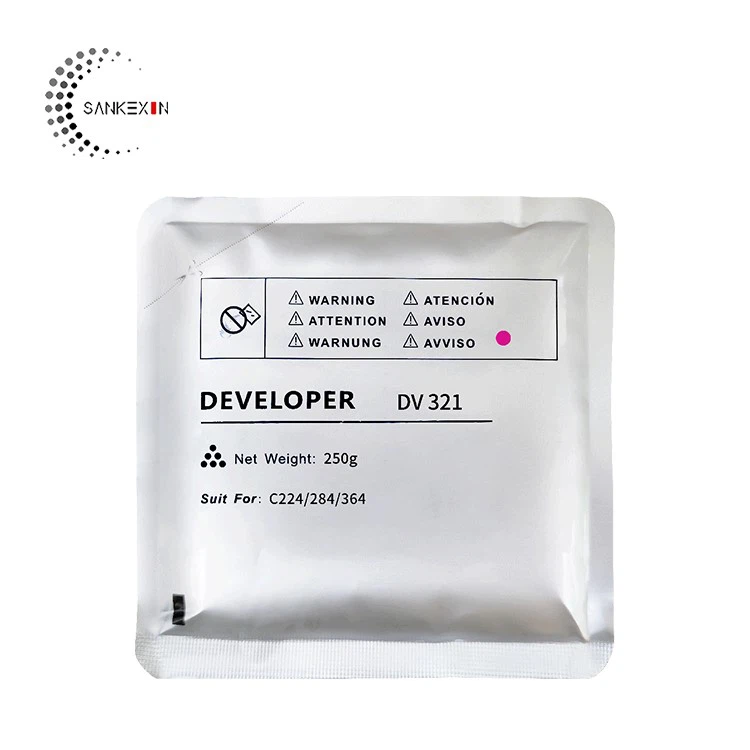
In summary, implementation standards for toner carriers are a comprehensive reflection of technical, environmental, and market demands. Adhering to standardized production practices not only improves product reliability but also ensures the sustainable development of the industry. In the future, with the promotion of green printing technology, relevant standards will further evolve towards low carbonization and high performance.


